Overview
One species, eaten across the whole northern hemisphere
Reindeer and caribou are the same species. In Europe and Asia people followed, hunted and later herded it. In North America people hunted it as caribou, and from 1892 also herded it as reindeer in Alaska.
In all of these places the organs were treated as food, often as the most valued part of the animal. Liver, heart and kidney were eaten fresh at slaughter, blood was collected for sausages and dumplings, bones were cracked for marrow and boiled for broth, and fat was rendered and stored.
The record below is taken from peer-reviewed research, government publications and museum archives. Numbered references are listed on the sources page.
Rock carvings at Alta in northern Norway, made over about 3,700 years, show reindeer among the animals the people hunted.20
The Norwegian chieftain Ohthere tells King Alfred of England that he owns 600 tame reindeer. It is one of the earliest written records of reindeer keeping in Norway.19
Large-scale reindeer herding develops among the Sami in Norway, Sweden and Finland.
The meat business that supplies our raw material is founded in Røros.
Domesticated reindeer are landed on Alaska's Seward Peninsula under a U.S. government program.5
Sami herders from northern Norway travel to Alaska to teach reindeer herding.
The U.S. Congress passes the Reindeer Act.6
Caribou liver and bone marrow are recorded in a nutrient survey of Alaska Native foods, later included in the USDA food database.7
Scandinavia
From hunting to herding
Reindeer moved into Scandinavia as the ice retreated at the end of the last Ice Age, and people followed them. For thousands of years reindeer were hunted with pitfalls, fences and bows. Remains of these trapping systems are still visible in the Norwegian mountains.
Keeping tame reindeer came later. Small numbers were first kept for transport, for milk and as decoys in the hunt. The account given by Ohthere to King Alfred around 890 describes exactly this: a herd of 600 tame animals, six of which were trained decoys.19
From the 16th and 17th centuries Sami families began to live mainly from large herds, moving with the animals between summer and winter pastures. This is the origin of the reindeer husbandry practiced in Norway today. It is now protected and regulated by national law.18
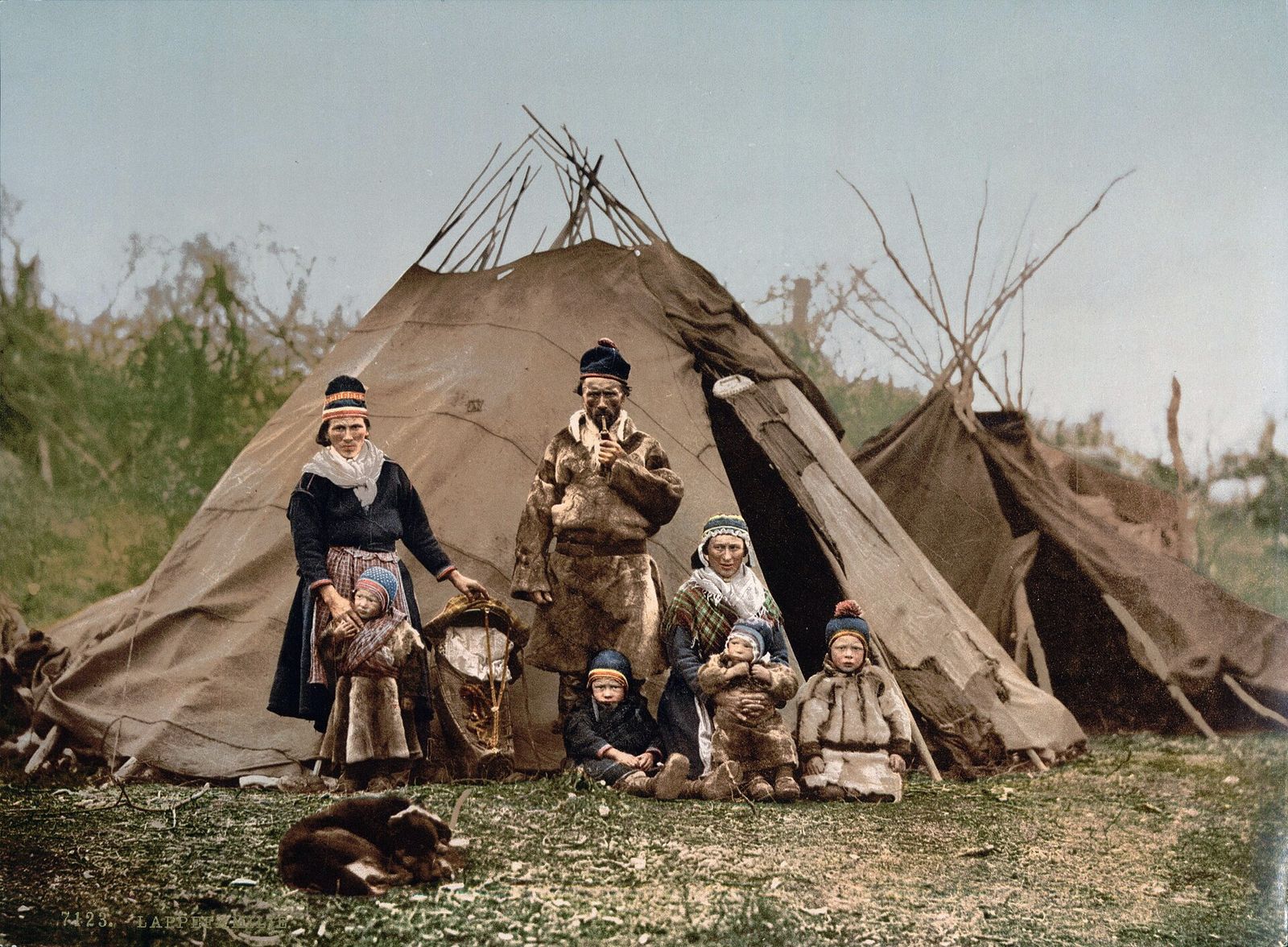
The Sami tradition
Slaughter was organized around using everything
A 2022 study in the journal Pastoralism, written with Sami herders, documents how traditional slaughter was carried out to keep blood, organs and meat in the best condition for eating. The study records Sami terms for the stages of the work and for the handling of blood and offal, and it describes liver, heart, kidney, blood and marrow as food that was kept and eaten, not waste.1
Interviews with elderly Sami in southern Lapland about the 1930s to 1950s give the same picture from memory. They describe organ meats as an ordinary part of the diet in reindeer-herding households, and blood as one of the foods that most clearly set herding families apart from their neighbors.2
“In the summer, dried blood was ground to a powder, mixed with water and boiled in lumps called palt. Palt could also be made from fresh blood during the autumn slaughter.”
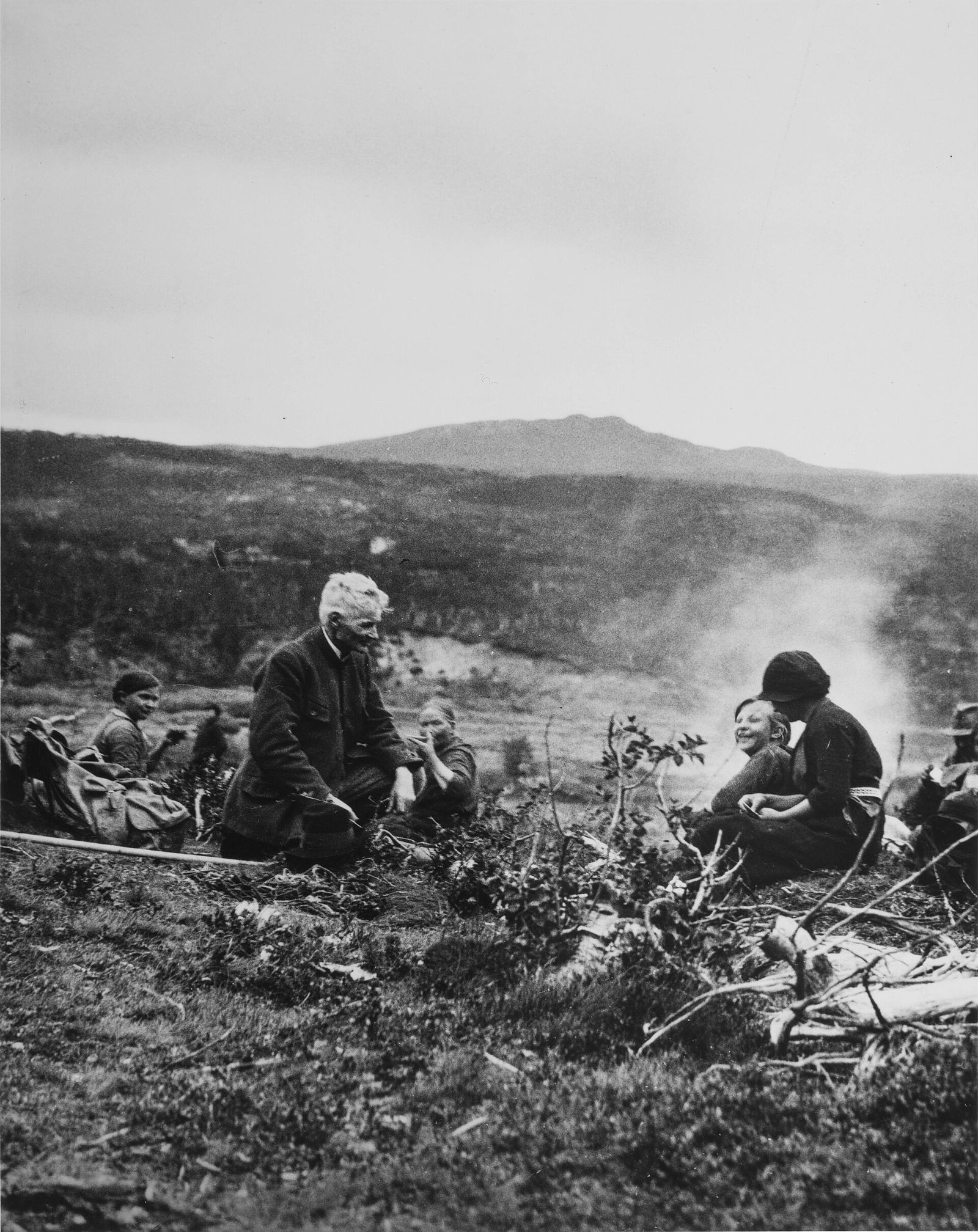
Fresh at slaughter
Liver, heart, kidney and tongue were eaten in the days after slaughter, fried, boiled or in stews. A 2014 first-person account from a Sami slaughter entrepreneur in Guovdageaidnu (Kautokeino) lists boiled tongue, marrow bones, boiled head and liver stew as everyday food.24
Preserved for the year
Meat and hearts were salted, dried in the cold spring air or smoked. Dried reindeer heart is still sold as a snack in Norway. A herder at a slaughterhouse in Troms describes hearts being left overnight in coarse salt and then hung outside to dry.22
Blood and broth
Blood was collected, often in the cleaned stomach, and used for sausage, pancakes and dumplings. Bones were cracked for marrow and boiled for broth. Blood dumplings (blodpalt) are listed in the Slow Food Ark of Taste as a traditional Sami food.4
Røros
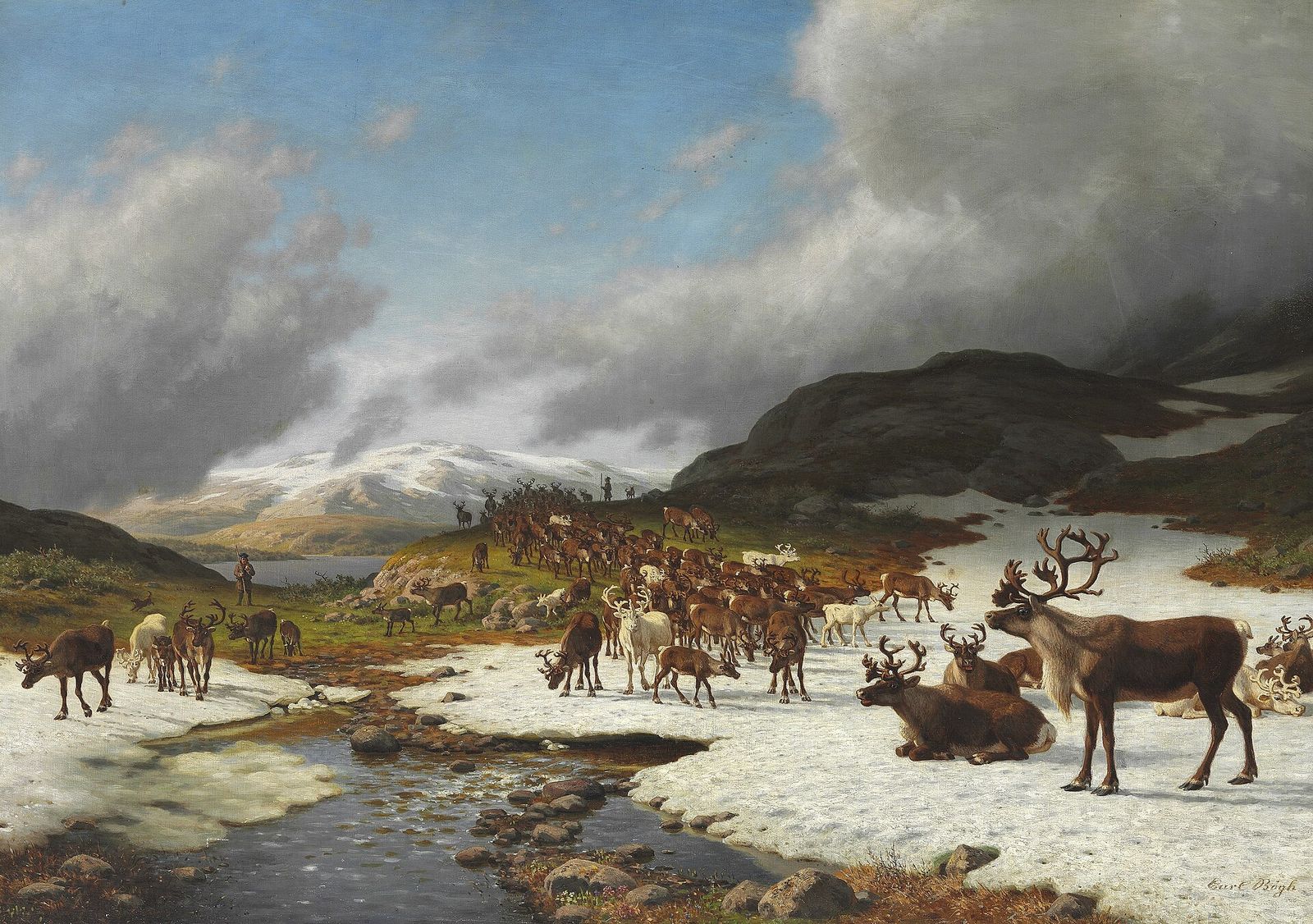
Reindeer in the Røros mountains
The mountains around Røros are South Sami country. Herding here was already well established when artists and travelers began to describe the area in the 1800s, and the painting shown here records a herd north of the town in that period.
Røros itself grew up around a copper mine founded in 1644. Reindeer from the surrounding mountains have long been part of the local food trade. The meat business that supplies our raw material today was founded in the town in 1890.
Science
What researchers have measured
The organs of semi-domesticated Norwegian reindeer have been analyzed directly. Researchers at the Centre for Sami Health Research in Tromsø measured nutrients in meat, liver, tallow and bone marrow from 31 reindeer carcasses from Finnmark and Nordland. Of the four tissues, liver had the highest levels of vitamin A, the B vitamins measured, iron and selenium.3
Researchers have also measured what should be watched. Norwegian and Finnish studies have shown that cadmium from the environment accumulates in the kidneys and liver of reindeer and other deer.16 This is the reason our lots are tested for heavy metals before release. See Quality and safety.
Siberia
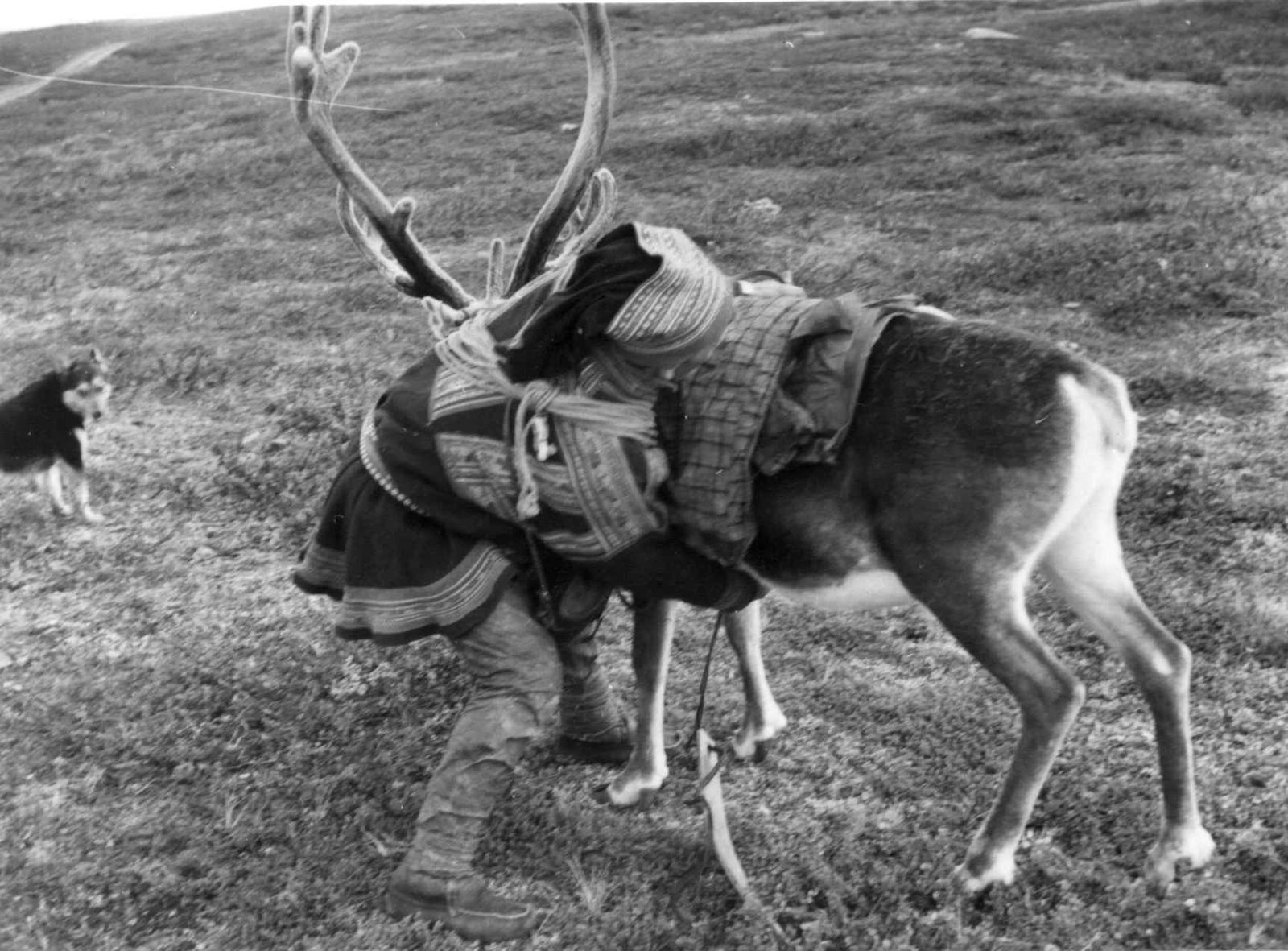
The reindeer peoples of northern Asia
East of Scandinavia, the Nenets, Chukchi, Evenki and other peoples of northern Russia have herded reindeer for many centuries. Ethnographic accounts describe the same whole-animal pattern as among the Sami.
Among the Nenets, fresh liver and kidney are described as the most prized parts of a newly slaughtered animal, while the heart is always cooked. Chukchi accounts list liver, kidney, marrow and tendons among the parts eaten at slaughter, and describe soups made with reindeer blood. Herders in Siberia also boiled bones into broth to keep until the next slaughter.
It was reindeer from this region, the Chukchi Peninsula, that were shipped across the Bering Strait to Alaska in the 1890s.
North America
Caribou: the same animal on the American side
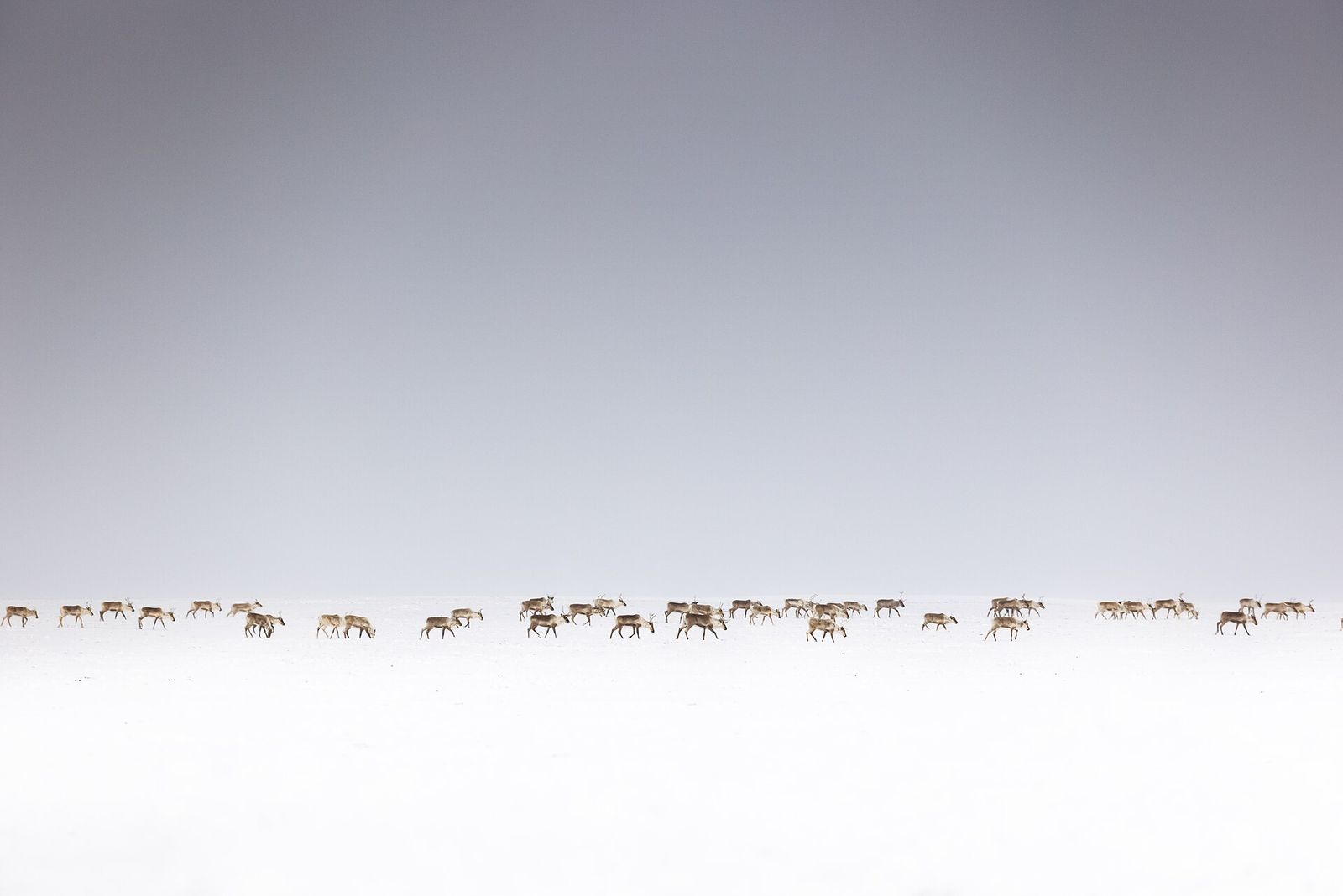
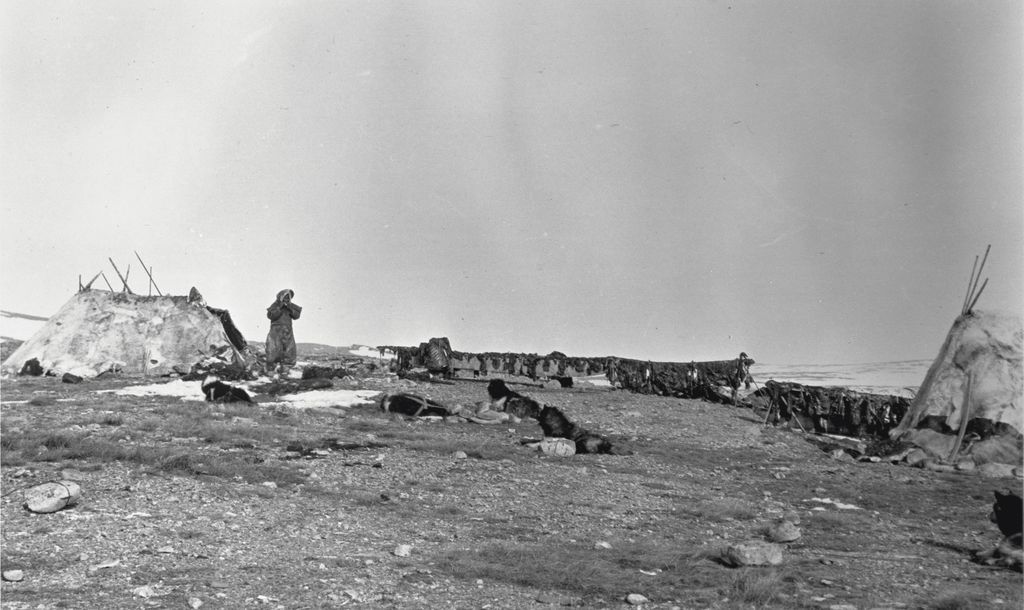
In Alaska and northern Canada the species is called caribou, and it has been a main food of the Iñupiat, Gwich'in, Inuvialuit, Inuit and other peoples for thousands of years. As in Scandinavia, the organs were eaten as a matter of course.
- Alaska. The Alaska Department of Fish and Game records that liver, heart and kidneys were regularly used in subsistence caribou harvests on the Alaska Peninsula,8 and names heart, tongue and liver as favorites in Alaska Native communities.9
- Northwest Territories. A government food fact sheet rates caribou liver as an excellent source of protein, iron and vitamin A, and records elders' view that caribou kidneys are a healthy food.11
- Inuvialuit. A traditional caribou sausage, pitiksitaq, is filled with tongue, heart, kidney, liver, fat and blood.10
- Baffin Island. Nutrition researchers measured caribou organs as part of the traditional Inuit food system in the early 1990s,12 and later measured vitamin C in caribou liver as eaten by Inuit women.13
- Gwich'in. Soft, growing antler is documented as a food, along with marrow and other parts of the animal.14
United States
Reindeer herding in Alaska since 1892
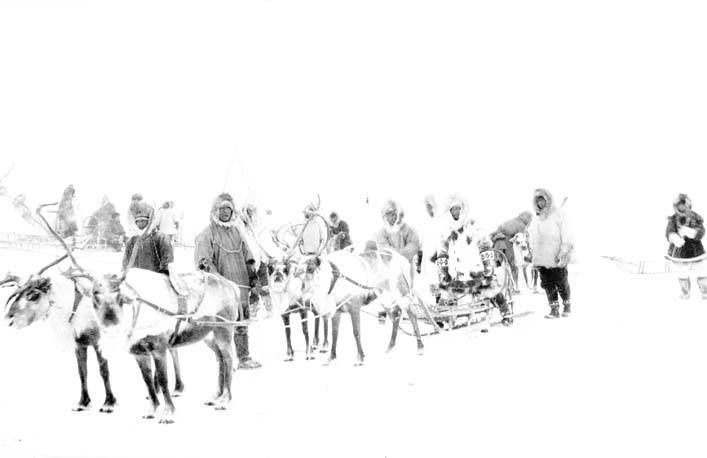
Around 1890 the Rev. Sheldon Jackson, the U.S. General Agent for Education in Alaska, proposed bringing domesticated reindeer from Siberia to western Alaska as a dependable source of food and income for Alaska Native communities. With the help of the U.S. Revenue Cutter Bear, the first herd of 171 animals was landed at Port Clarence on the Seward Peninsula in 1892, where the Teller Reindeer Station was set up.5
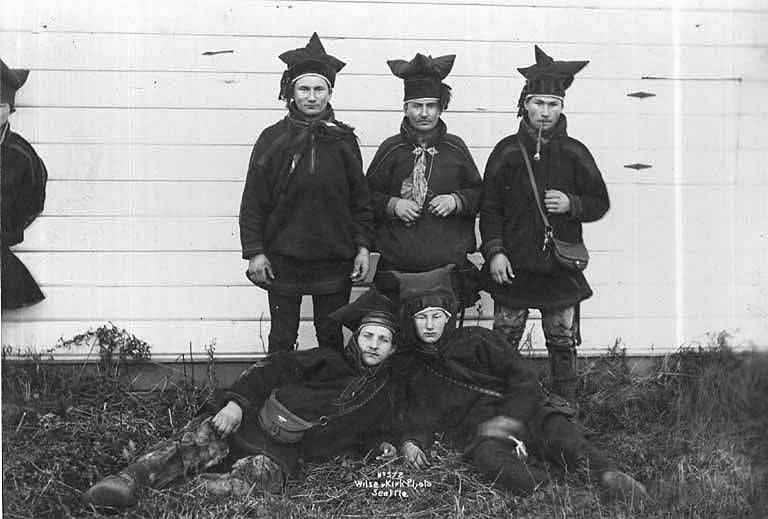
The link to Norway dates from the same years. In 1894 the U.S. government hired Sami herders from northern Norway to come to Alaska and teach herding. In 1898 a second, larger group of herders and their families, most of them Sami, crossed the Atlantic with several hundred reindeer, traveled by train across the United States and sailed north from Seattle. Some of these families stayed in Alaska.
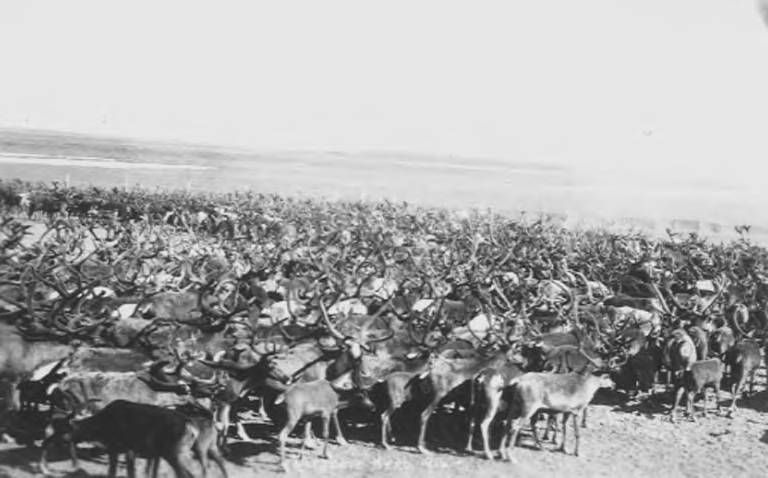
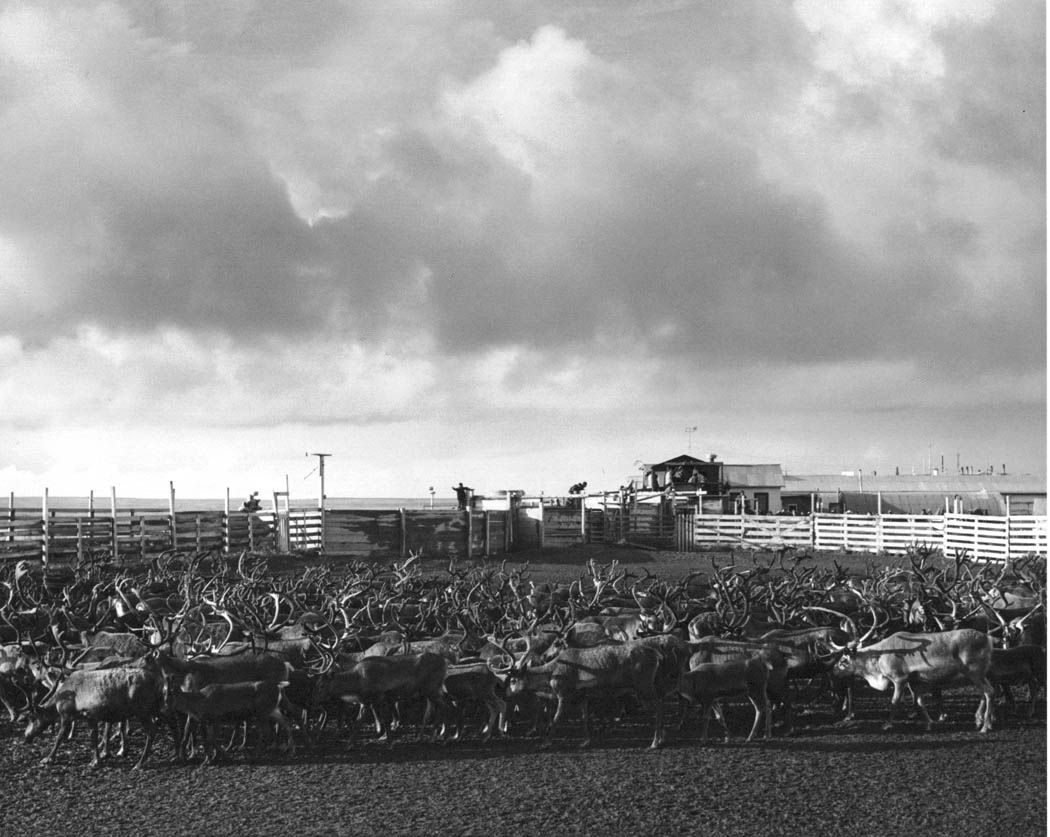
The herds grew quickly. By the early 1930s there were several hundred thousand reindeer in Alaska, and reindeer meat was being shipped commercially to cities in the lower 48 states. In 1937 Congress passed the Reindeer Act, which reserved ownership of Alaska's reindeer for Alaska Natives.6
Reindeer are still herded on the Seward Peninsula and on islands such as Nunivak, and reindeer meat and sausage are sold in Alaska today.
U.S. food records
Reindeer and caribou in official U.S. food data
The U.S. Department of Agriculture's FoodData Central database contains entries for caribou liver and caribou bone marrow as Alaska Native foods, based on a nutrient survey published in 1993.7 The U.S. National Park Service describes reindeer and caribou as the same species and records the history of reindeer herding in Alaska.5
In other words, the organs of this species were being eaten in the United States, and recorded as food by U.S. agencies, long before Reinsdyr Inc was formed. What we add is a controlled supply from inspected livestock in Norway, preserved by freeze-drying.