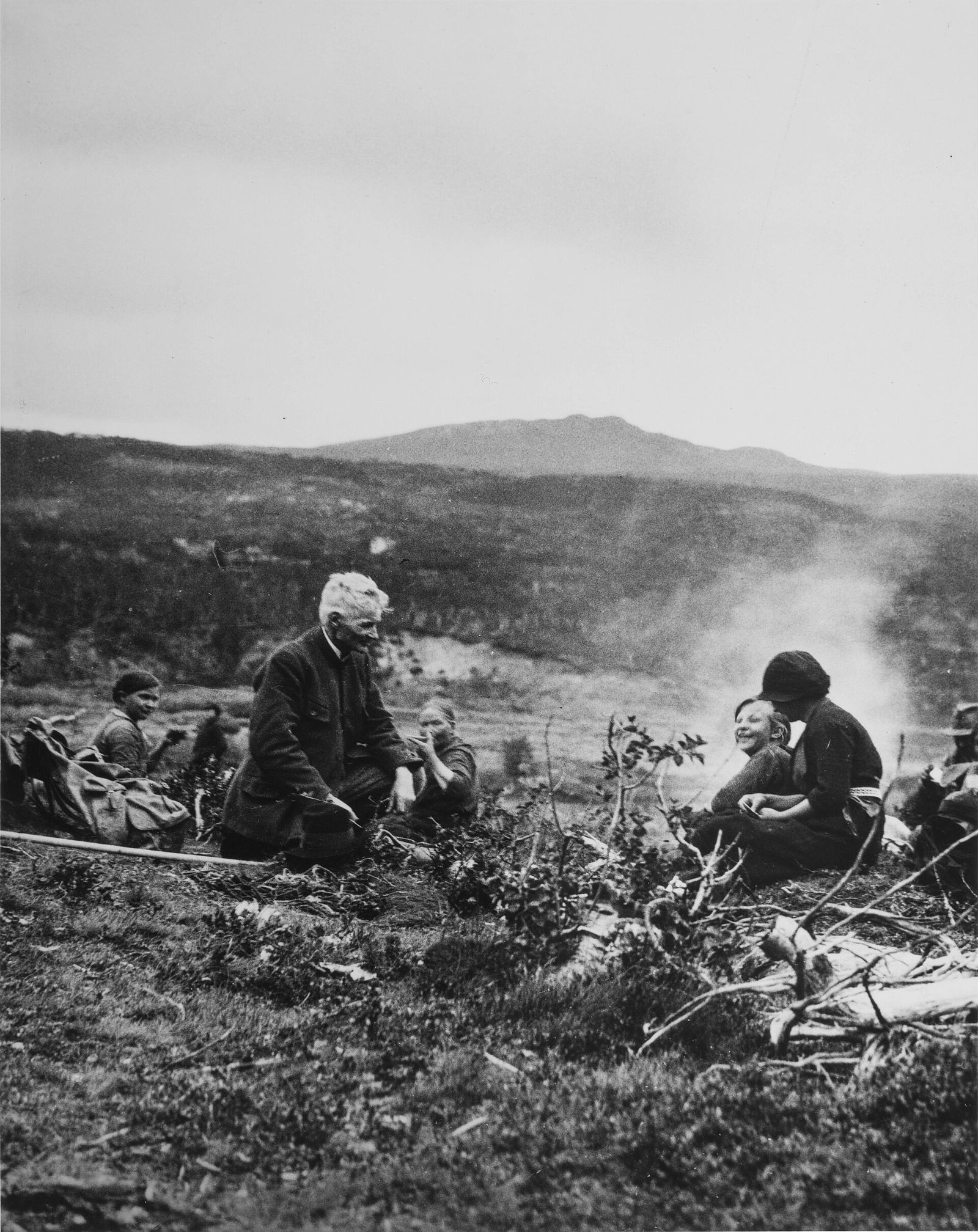
What Reinsdyr Inc imports. Our import program covers freeze-dried organ powder: liver, heart and kidney, each as a separate single-organ lot. These are marked In our program below. The other parts are described as background on how the animal has been used.
The information on this page is historical and descriptive. It records how these foods were eaten and what researchers have measured in them. It is not a claim about the effect of any product. Numbered references are listed on the sources page.
Liver
Norwegian: lever
What it is
The largest internal organ, weighing roughly one to two pounds in an adult reindeer. It is dense, dark and fine-grained, with a stronger taste than the muscle meat.
Scandinavia
Liver is documented as a valued food in Sami reindeer-herding households: fried fresh in the days after slaughter, made into liver stew, or minced into sausage and pâté.1 Elderly Sami interviewed about the 1930s to 1950s recalled liver as a normal part of the herding family's diet.2 Fresh, frozen and smoked reindeer liver is sold by slaughterhouses and grocery stores in Norway, Sweden and Finland today.
Siberia
Among the Nenets, liver is described as the most prized part of a freshly slaughtered animal. Chukchi accounts also list it among the parts eaten at slaughter.
North America
The Alaska Department of Fish and Game records regular use of caribou liver in subsistence harvests.8 It is one of the fillings of the Inuvialuit sausage pitiksitaq.10 The U.S. Department of Agriculture lists “Caribou, liver, raw (Alaska Native)” in FoodData Central.7
Measured
In an analysis of 31 Norwegian reindeer, liver had the highest levels of vitamin A, B vitamins, iron and selenium of the four tissues measured.3 Liver can also accumulate cadmium, which is why it is tested.16
Heart
Norwegian: hjerte
What it is
A lean, firm muscle. Unlike the other organs it has the texture of meat and was often handled like meat: sliced, dried or smoked.
Scandinavia
Heart is one of the best documented reindeer organs in Scandinavian cooking. It is salted and air-dried, hot-smoked, or boiled and sliced. A herder at a slaughterhouse in Troms explained that where lungs were once also kept, today mainly tongue and heart are saved, and that hearts are laid overnight in coarse salt and hung outside to dry.22 Dried and smoked reindeer heart is sold by several producers in Norway and Sweden, including in Røros.
Siberia
Nenets accounts treat the heart with particular respect and note that, unlike liver, it is always boiled before eating.
North America
The Alaska Department of Fish and Game names heart, tongue and liver as favorite parts of the caribou in Alaska Native and long-established Arctic communities.9 Heart is also an ingredient in pitiksitaq.10
Kidney
Norwegian: nyre
What it is
A pair of small organs embedded in fat along the back of the body cavity. The surrounding kidney fat was valued in its own right.
Scandinavia
Kidney was kept and eaten together with liver and heart in the Sami slaughter tradition,1 and is recalled in interviews about the 1930s to 1950s.2 Practice varied: one first-hand account from Sami reindeer country records local advice to avoid the kidneys while eating every other edible part.23 Frozen reindeer kidney is sold in bulk by slaughterhouses in Norway and Finland.
Siberia
Both Nenets and Chukchi accounts list kidney among the parts eaten fresh at slaughter.
North America
Kidneys were regularly used in Alaska subsistence caribou harvests.8 A Northwest Territories government fact sheet records elders' view that caribou kidneys are healthy food with a nutrient value similar to liver.11
Measured
Kidney is the organ where cadmium accumulates most, in reindeer as in other grazing animals.16 Kidney lots are tested for heavy metals and released only within specification.
Blood
Norwegian: blod
Scandinavia
Blood is the most thoroughly documented example of whole-animal use among the Sami. It was collected at slaughter and used fresh for blood sausage, blood pancakes and blood dumplings (blodpalt), or dried and stored, then ground and boiled into dumplings in summer.2 A statistical analysis of Sami diets in the 1930s to 1950s found blood to be the single food that most distinguished reindeer-herding men from the general population.2 Reindeer blood dumplings are listed in the Slow Food Ark of Taste.4
Siberia and North America
Chukchi cooking includes soups made with reindeer blood. In the Canadian Arctic, blood is one of the fillings of pitiksitaq.10
Bone and marrow
Norwegian: bein, marg
Scandinavia
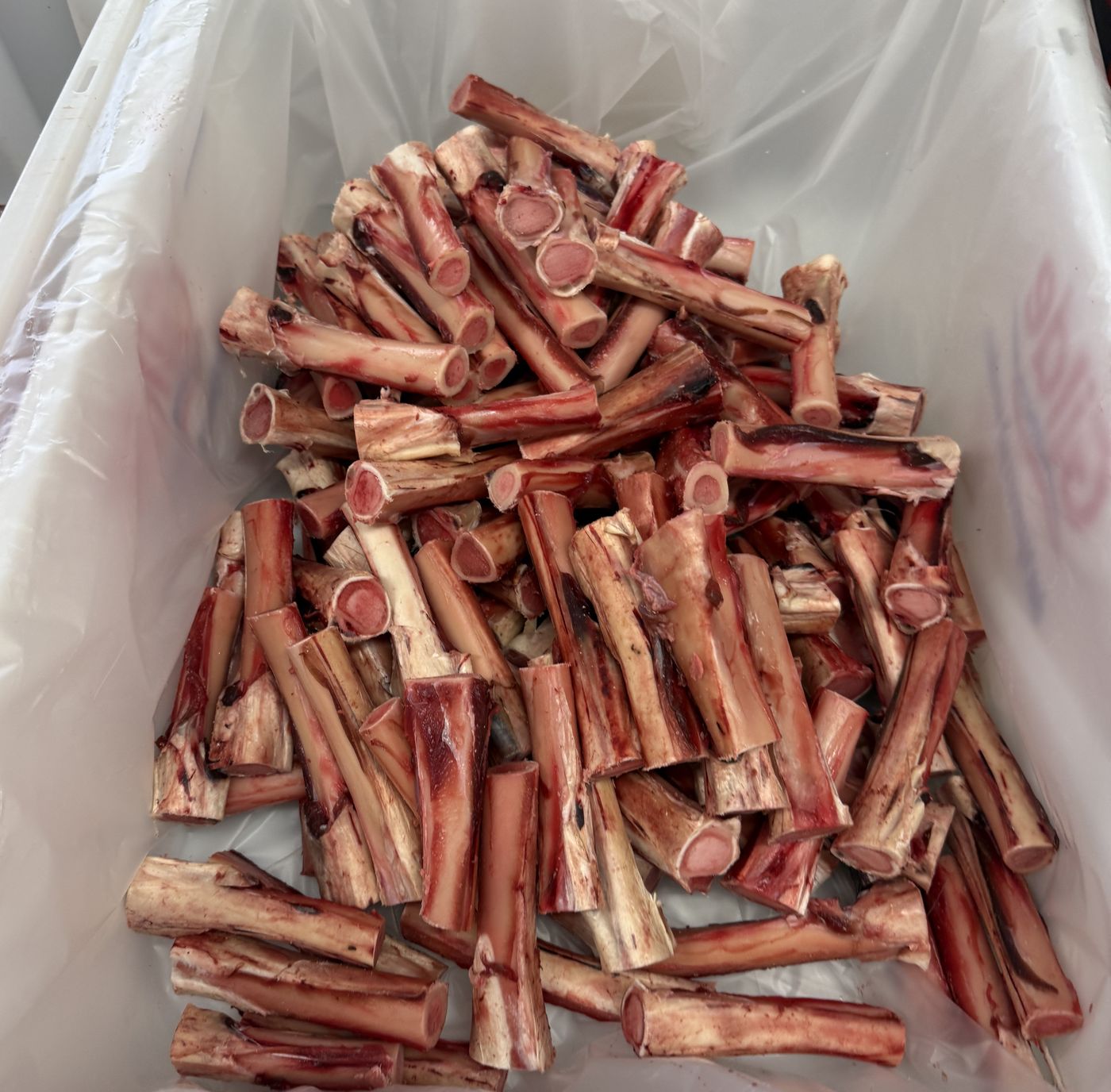
Leg bones were cracked for their marrow, which was eaten fresh or boiled, and bones were simmered for broth. Marrow bones appear in household accounts as ordinary food in Sami homes. Researchers have measured the composition of reindeer bone marrow in Norway and Finland.3, 15
Siberia
Herders boiled bones into a broth that was kept until the next slaughter.
North America
Marrow is documented among the caribou foods of Arctic peoples in Alaska and Canada.14 The U.S. Department of Agriculture lists “Caribou, bone marrow, raw (Alaska Native)” in FoodData Central.7
Antler
Norwegian: gevir
What it is
Reindeer are the only deer in which both sexes grow antlers. Antlers are regrown every year. While growing they are soft and covered in a furred skin called velvet. Later they harden into bone and are shed.
Scandinavia
Hard antler was mainly a material for knife handles, tools and carving. Its one long-standing use in Nordic food is indirect: the traditional leavening agent for Christmas baking is called hjortetakksalt, “deer antler salt” (hartshorn salt), because it was originally made from antler.21
North America
Soft, growing antler is documented as a food among the Gwich'in of Alaska and northern Canada.14
Asia
Deer antler has been used in East Asia for about two thousand years, and in Russia antler preparations have been produced since the Soviet period. Most of that record concerns other deer species.
Tongue
Norwegian: tunge
Scandinavia
Boiled reindeer tongue is a traditional delicacy in Sami and northern Norwegian cooking. It is also salted, smoked or dried, and is sold today alongside dried heart.
North America
Tongue is named with heart and liver as a favorite part of the caribou in Alaska,9 and is an ingredient in pitiksitaq.10
Fat
Norwegian: talg
Across the north
Reindeer are lean animals, so fat was scarce and valued. Back fat and the fat around the kidneys were rendered into tallow and stored for cooking. In the Canadian Arctic belly fat is one of the fillings of the sausage pitiksitaq.10 Reindeer tallow was one of the four tissues analyzed in the Norwegian nutrient study.3
Meat
Norwegian: kjøtt
Scandinavia
Reindeer meat is ordinary food in Norway. It is sold fresh and frozen in grocery stores, and dried, salted and smoked meat is a regional specialty. The Sami stew bidos, made with reindeer meat and often heart, is served at weddings and other gatherings.
United States
Reindeer meat and reindeer sausage have been sold in Alaska since the early 1900s.
Hide, sinew and hoof
Not food, but part of the same practice
Across the north
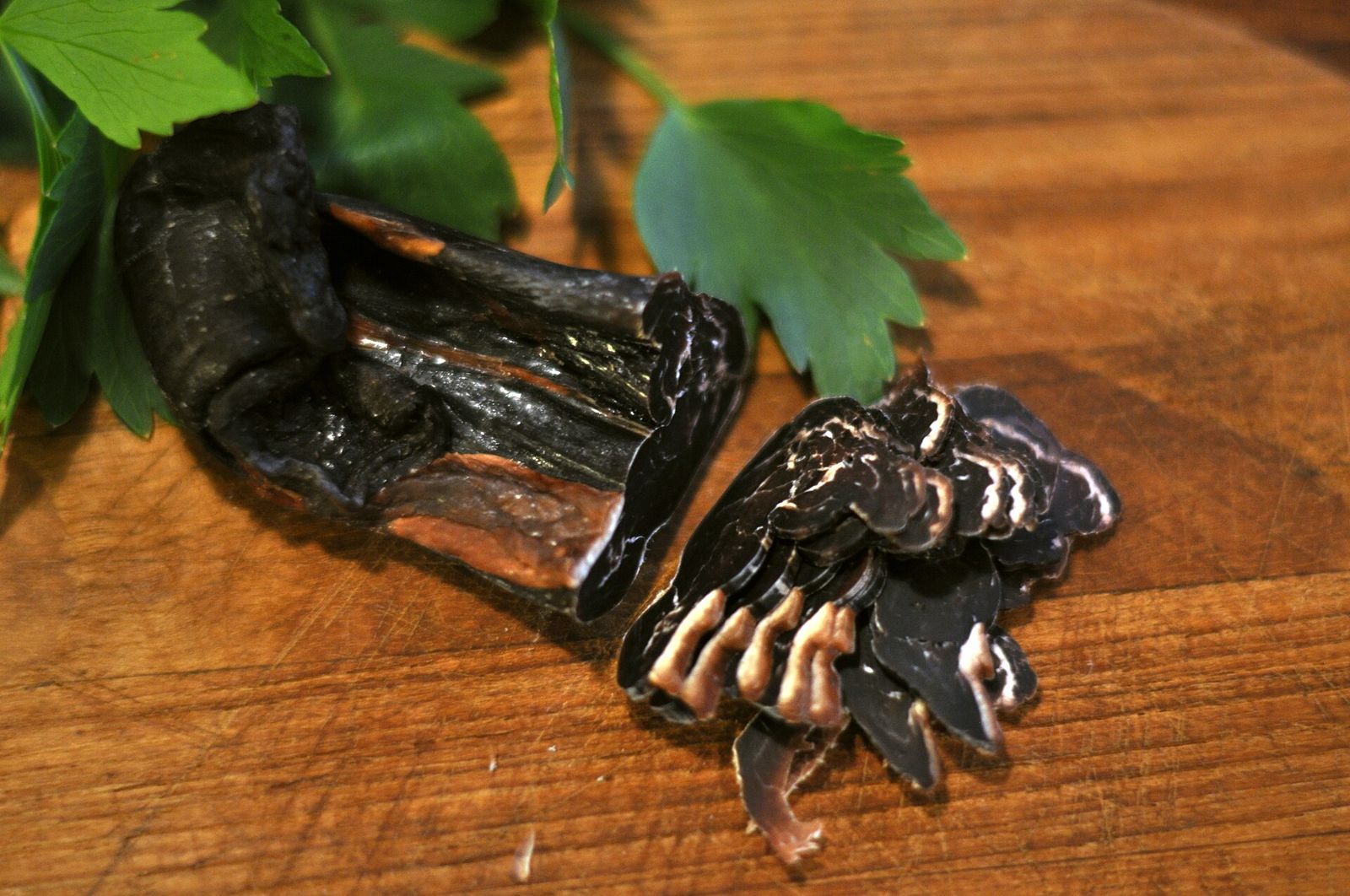
Nothing was left over. Hides became winter clothing, boots, bedding and tent covers. The skin of the legs, which is especially hard-wearing, was used for footwear. Sinew from the back and legs was split and twisted into sewing thread. Antler and bone became tools. Hooves were boiled, giving a gelatin-rich stock.