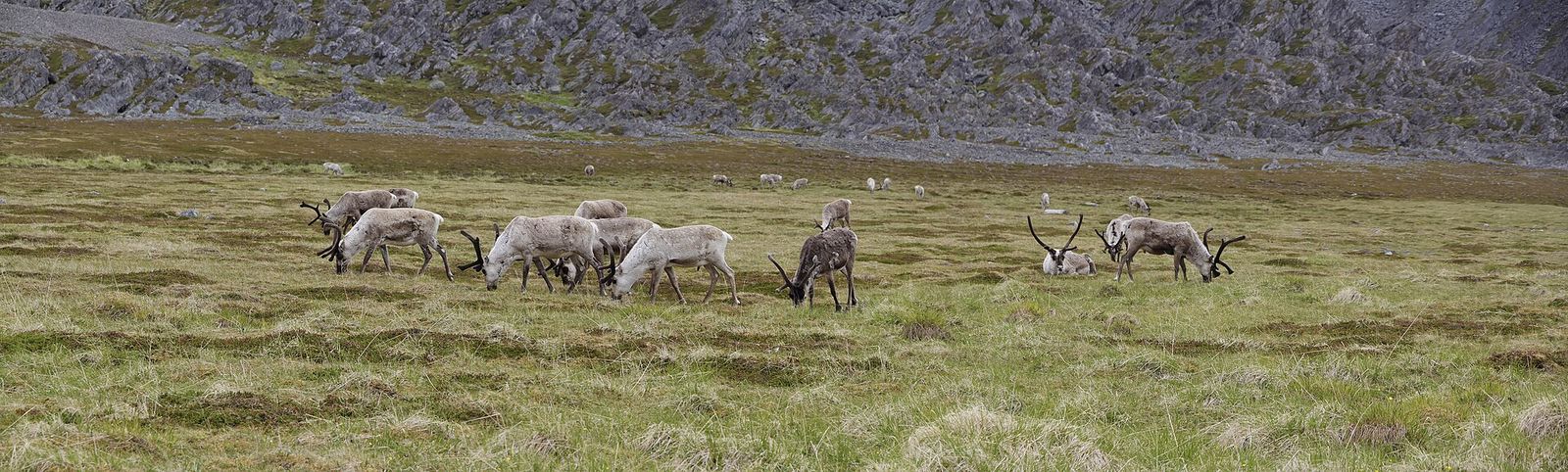
Official veterinary control
Every animal is inspected alive and after slaughter by the Norwegian Food Safety Authority. Only organs passed as fit for human consumption are used.
Disease surveillance
Norway runs national surveillance programs for animal diseases, including chronic wasting disease in deer species. Slaughtered reindeer are sampled under this program.
Laboratory testing
Each lot of powder is tested by an independent accredited laboratory for microbiology and heavy metals before it is released for export.
Animal health
Norway's animal health status
Norway has one of the most favorable livestock health situations in the world. The World Organisation for Animal Health (WOAH) recognizes Norway as free of foot-and-mouth disease and as having negligible risk for bovine spongiform encephalopathy (BSE).17
Use of antibiotics in Norwegian livestock is among the lowest in Europe. Growth-promoting hormones are prohibited in food animals in Norway.
Chronic wasting disease (CWD)
CWD is a prion disease of deer species and the main animal-health question for any cervid product entering the United States. We address it directly.
- CWD was first found in Norway in 2016, in wild reindeer in the Nordfjella mountains in southern Norway. The affected wild population was removed by the authorities. A small number of further cases have since been found in wild reindeer on the Hardangervidda plateau.
- Since 2016 Norway has run a national surveillance program led by the Norwegian Food Safety Authority and the Norwegian Veterinary Institute. Thousands of wild and semi-domesticated reindeer, moose and red deer have been tested.
- The program includes semi-domesticated reindeer. According to our supplier, the herds delivering to Røros have been tested for about ten years without a positive result.
- Our raw material comes only from semi-domesticated herds slaughtered at the approved slaughterhouse. We do not source from wild reindeer.
- We import under a USDA APHIS Veterinary Services permit, which sets the animal-health conditions for each product type.
At the slaughterhouse
Inspection and hygiene
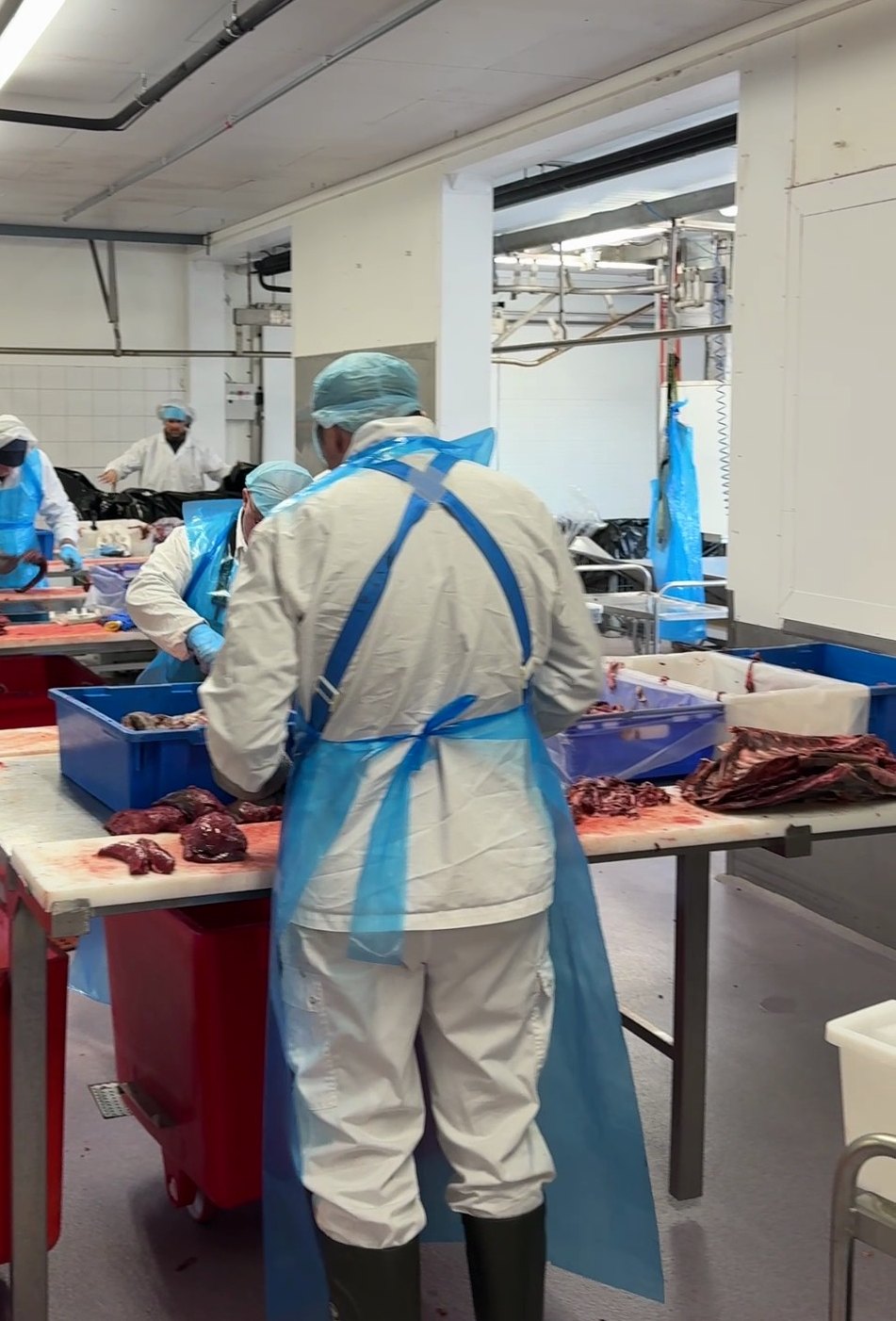
The slaughterhouse in Røros is an approved establishment under Regulation (EC) No 853/2004 and is under permanent official control.
- Ante-mortem inspection: an official veterinarian examines live animals before slaughter.
- Post-mortem inspection: each carcass and its organs are examined. Material that does not pass is condemned and removed from the food chain.
- HACCP: the plant operates a documented hazard analysis and critical control point system.
- Cold chain: organs are chilled directly after inspection, then frozen and kept frozen until freeze-drying.
- Traceability: containers are labeled by organ type, slaughter date and lot.
Laboratory testing
What each lot is tested for
Samples are analyzed by an independent laboratory accredited to ISO/IEC 17025. The results are issued as a certificate of analysis that follows the lot.
Organs of any grazing animal can accumulate metals from the environment, cadmium in particular. For that reason heavy metals are measured on every lot rather than assumed, and a lot is released only if it meets our specification.
| Group | Parameters |
|---|---|
| Microbiology | Microbiological quality indicators and food-borne pathogens, including Salmonella |
| Heavy metals | Lead, cadmium, arsenic, mercury |
| Identity | Organ type and species confirmed by lot documentation from the slaughterhouse |
Documentation
Documents that follow each shipment
| Document | Issued by | Purpose |
|---|---|---|
| Veterinary health certificate | Norwegian Food Safety Authority | Confirms origin, species, official inspection and animal-health status |
| Certificate of analysis | Independent accredited laboratory | Microbiology and heavy-metal results for the lot |
| Processing statement | Freeze-drying facility | Confirms the material was freeze-dried and milled only, with nothing added |
| Lot traceability record | Slaughterhouse and freeze-drying facility | Links each lot to organ type and slaughter dates |
| Commercial invoice and packing list | Exporter | Customs entry |
| Declaration for Importation of Wildlife (Form 3-177) | Reinsdyr Inc, filed with U.S. Fish and Wildlife Service | Declares species, origin and quantity at the port of entry |
| Veterinary Services import permit | USDA APHIS | Authorizes import of the animal-origin material |
| Prior Notice confirmation | Reinsdyr Inc, filed with FDA | Advance notice of imported food |
Claims
What we do not claim
We describe our products by what they are: freeze-dried reindeer organ. We do not claim that they diagnose, treat, cure or prevent any disease, and the historical and nutritional information on this site is provided as background on a traditional food, not as a statement about the effect of any product.
We do not describe the reindeer as wild, because they are herded livestock, and we do not describe the powder as free of substances we have not measured.