The species
Rangifer tarandus
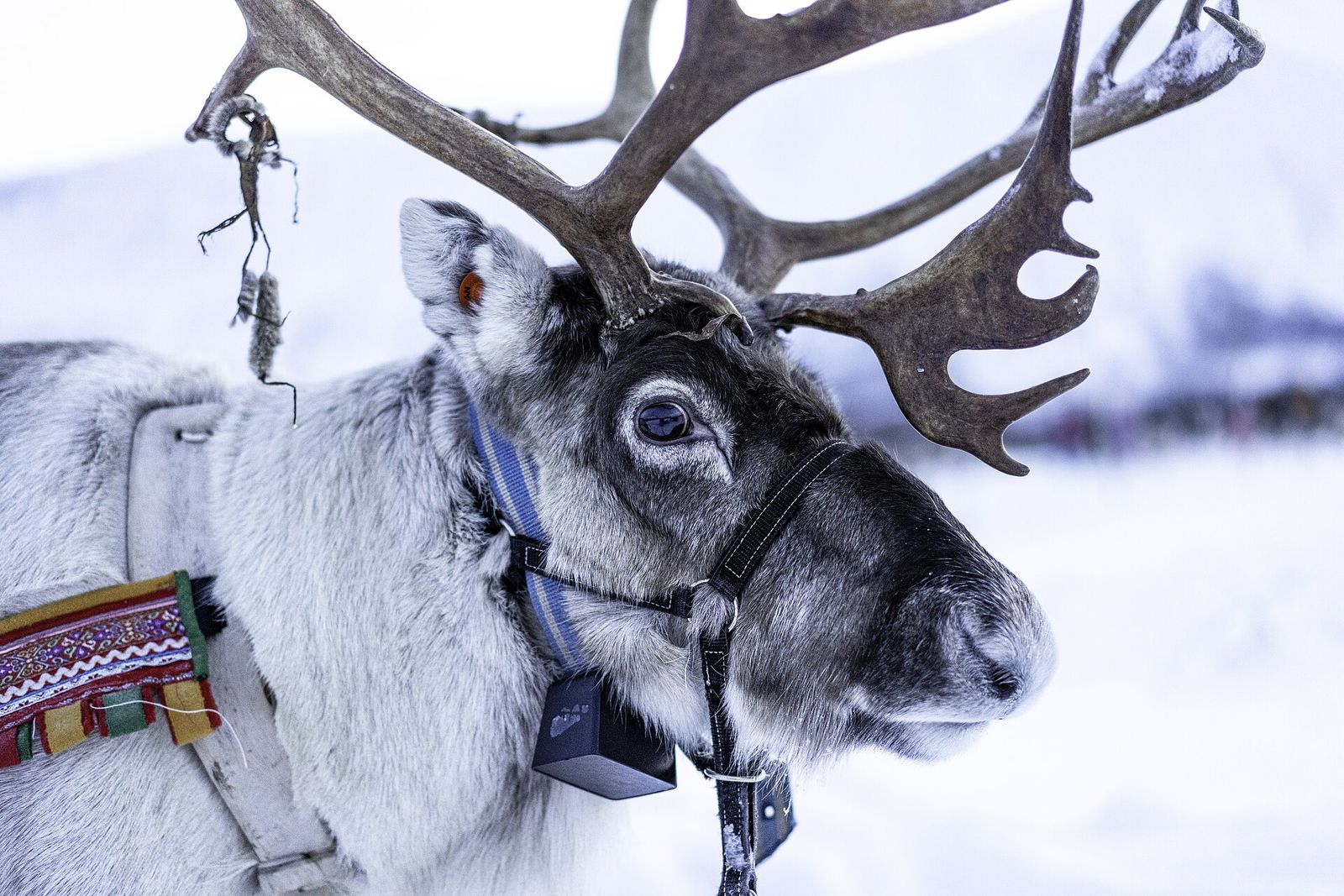
Reindeer and caribou are the same species, Rangifer tarandus. In North America the wild animals are called caribou and the domesticated animals are called reindeer. In Europe the word reindeer is used for both.
The species lives across the northern parts of Europe, Asia and North America. It is the only deer species in which both males and females grow antlers, and the only deer that has been domesticated on a large scale.
All material imported by Reinsdyr Inc comes from the Eurasian tundra reindeer, Rangifer tarandus tarandus, from semi-domesticated herds in Norway.
Terms used on this site
| Semi-domesticated | Privately owned reindeer that are tended by herders but graze freely on open range. This is the standard term in Norwegian law and in the scientific literature. |
| Herded | Used here with the same meaning as semi-domesticated. |
| Wild reindeer | Free-living populations with no owner. Norway has some in the southern mountains. They are managed by hunting and are not part of our supply. |
| Caribou | The North American name for the same species, usually for wild animals. |
How they are raised
Owned and tended, living outdoors all year
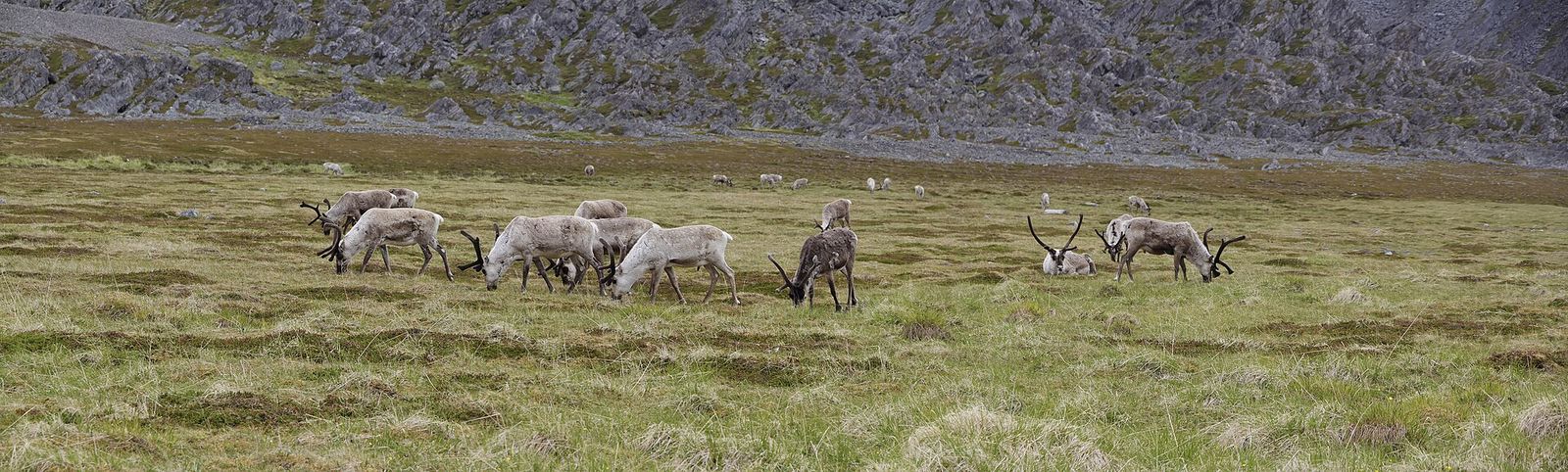
Norway has more than 200,000 semi-domesticated reindeer. Reindeer husbandry is regulated by the Reindeer Husbandry Act of 2007 and takes place on roughly 40 percent of the country's land area, mostly mountain and tundra that cannot be used for other farming.
- Ownership. Every animal has an owner. Calves are marked each summer with the owner's registered earmark, a pattern of cuts that is recorded in a national register.
- Open range. The animals are not housed. They graze on natural pasture through all four seasons and move between summer and winter ranges, often over long distances.
- Gathering. Herders bring the herd together a few times a year: in summer to mark calves, and in autumn and winter to count the herd and select animals for slaughter.
- Selection for slaughter. Animals chosen for slaughter are brought to an approved slaughterhouse, where each one is inspected by official veterinarians.
Diet
Natural pasture: grasses and herbs in summer, lichen in winter
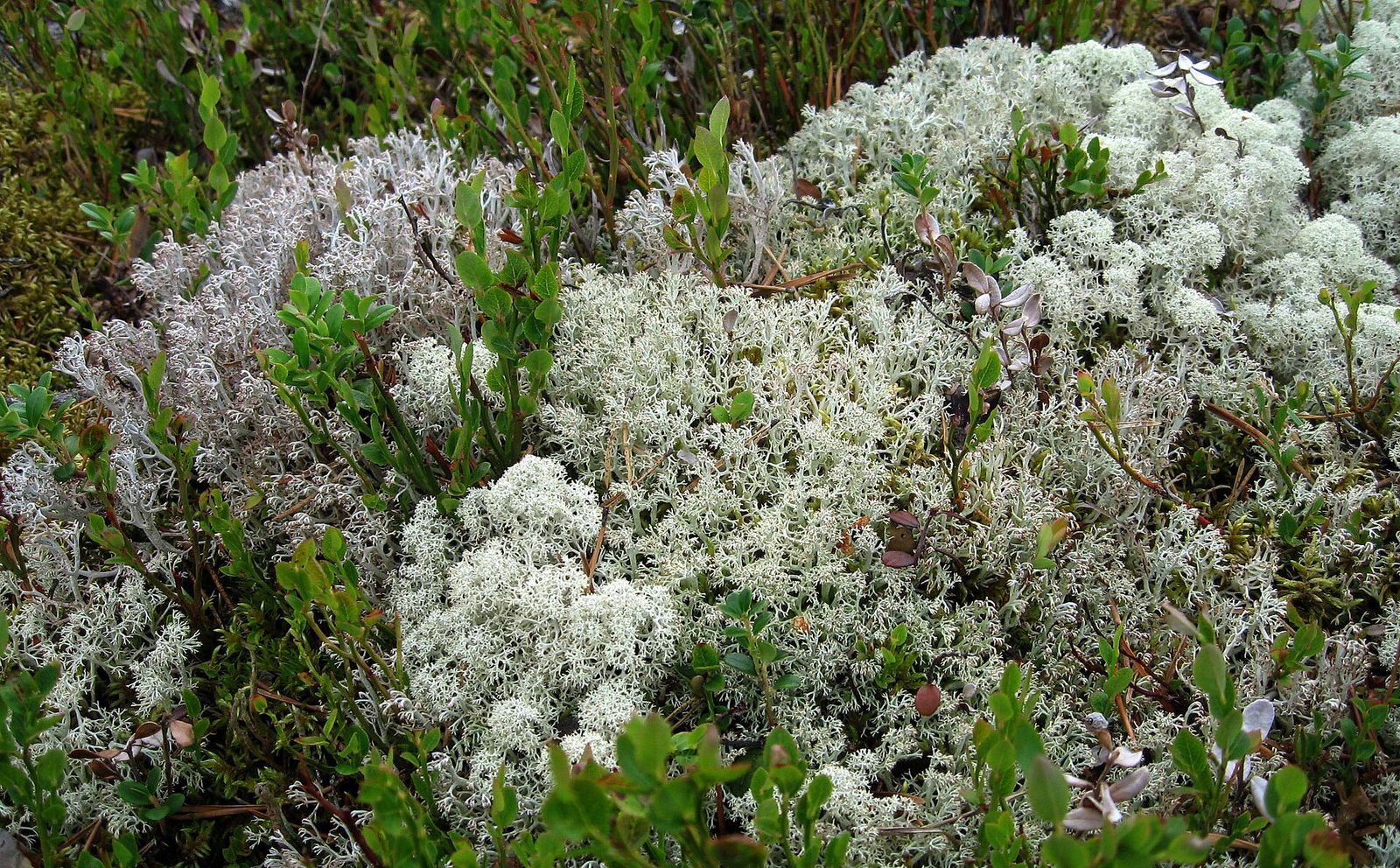
In summer reindeer eat grasses, sedges, herbs and the leaves of birch and willow. In autumn they also eat mushrooms. In winter they dig through the snow to reach ground lichens of the genus Cladonia, often called reindeer lichen, which make up a large part of the winter diet.
Reindeer are adapted to cold in ways few other livestock are. Their winter coat has hollow guard hairs, and they can find food under snow by smell. Winter temperatures on the Røros plateau can fall below minus 22 degrees Fahrenheit (minus 30 degrees Celsius).
The region
Røros and the South Sami herding area
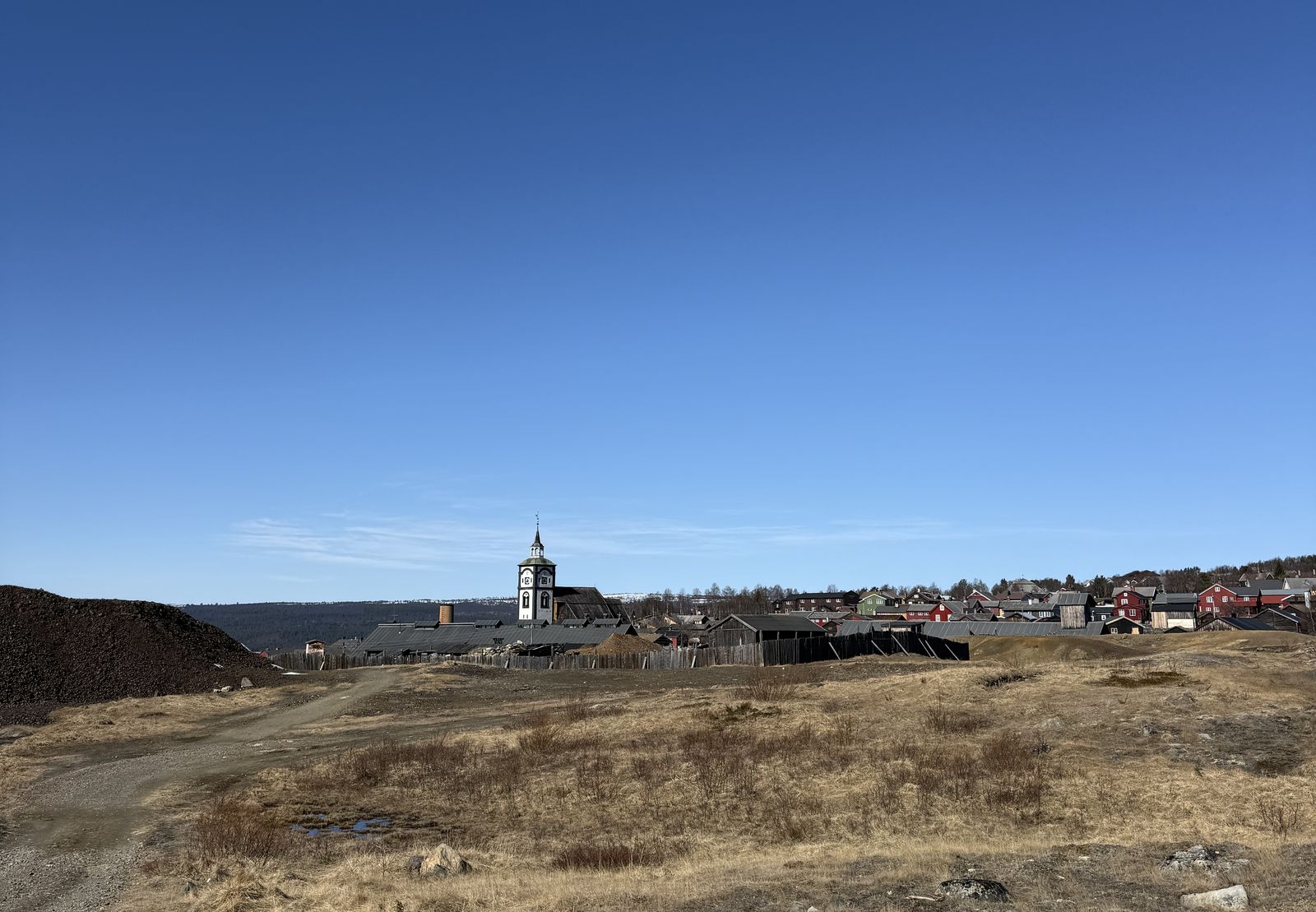
Røros lies on a high plateau in Trøndelag county, central Norway, near the Swedish border. The town was founded around a copper mine in 1644 and is listed as a UNESCO World Heritage site.
The mountains around Røros belong to the South Sami reindeer herding area. Herding families here have kept reindeer for many generations, and the town has had a meat trade based on reindeer since the late 19th century. The slaughterhouse that supplies our raw material belongs to a meat business founded in Røros in 1890.
Being close to the grazing areas keeps transport of live animals short.
Why this matters
Traceable livestock, not wildlife harvest
Because the animals are owned livestock slaughtered at an approved establishment, each lot of raw material can be traced to a slaughter date and a supplier, and each animal has passed official veterinary inspection. This is the same control system that applies to other meat produced in Norway for the European market.
No animals are taken from wild populations for our products, and no protected or endangered populations are involved.