Summary
A physical process with no added ingredients
The only change made to the organ between the slaughterhouse and the finished powder is the removal of water and a reduction in particle size. The powder consists of the organ and nothing else.
- Veterinary inspection of each animal
- Separation and inspection of organs
- Chilling and freezing
- Freeze-drying under vacuum
- Milling and sieving
- Packing in sealed, lot-coded bags
- Independent laboratory testing
- No additives, carriers or fillers
- No preservatives
- No solvents or chemical extraction
- No cooking or heat treatment
- No irradiation
- No mixing with other animal species
Step by step
The process
Gathering and selection
Herders gather their animals from the range, mainly between September and March, and select the animals to be slaughtered. The selected animals are transported to the slaughterhouse in Røros and rested in holding pens before slaughter.
Ante-mortem inspection
An official veterinarian from the Norwegian Food Safety Authority (Mattilsynet) inspects the live animals on arrival. Only animals found healthy are admitted to slaughter.
Slaughter at an approved establishment
The slaughterhouse is an approved establishment under the European food hygiene rules, which Norway applies through the European Economic Area agreement, and it operates a HACCP-based food safety system. Slaughter and dressing follow the same rules as for other red meat.
Post-mortem inspection and organ collection
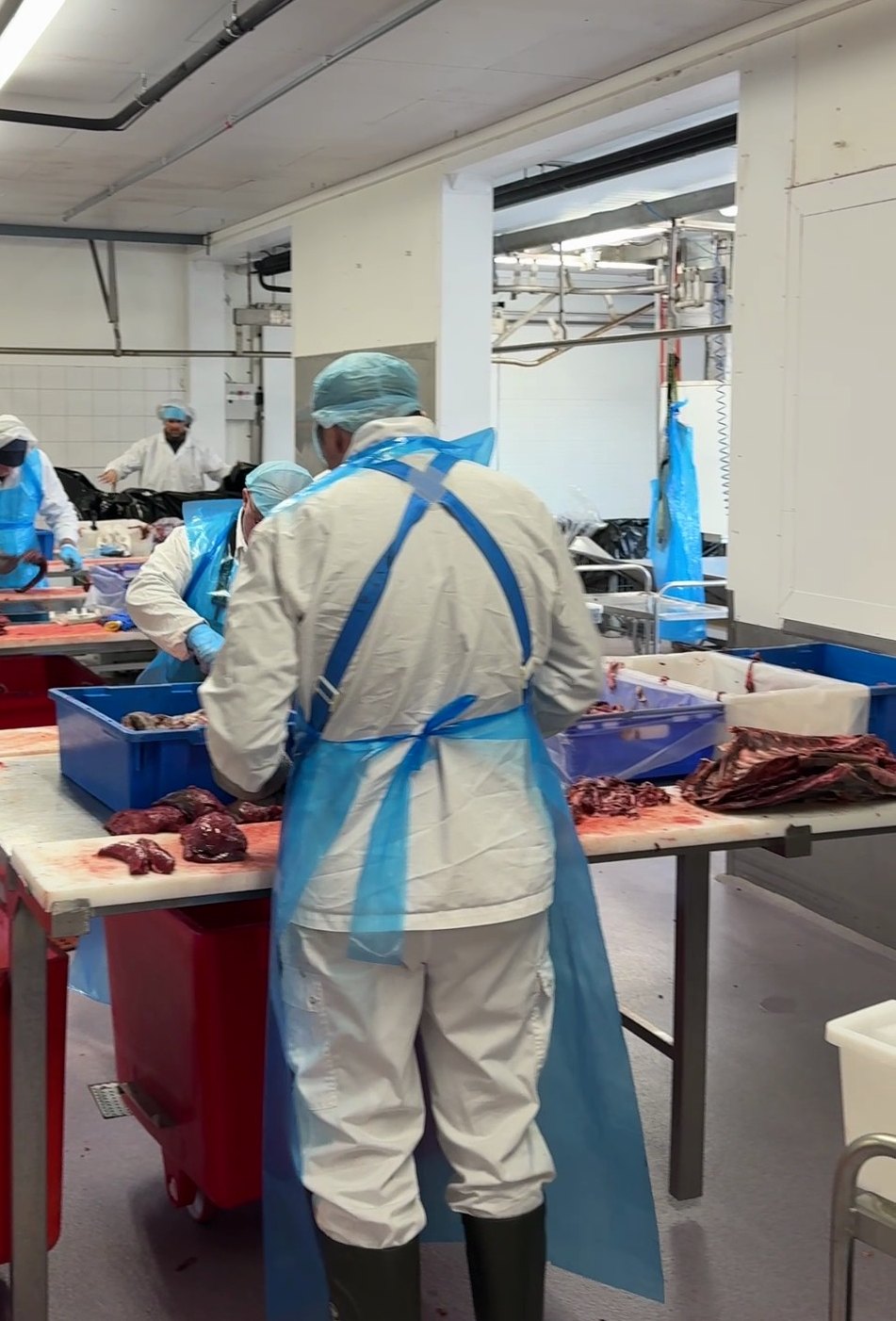
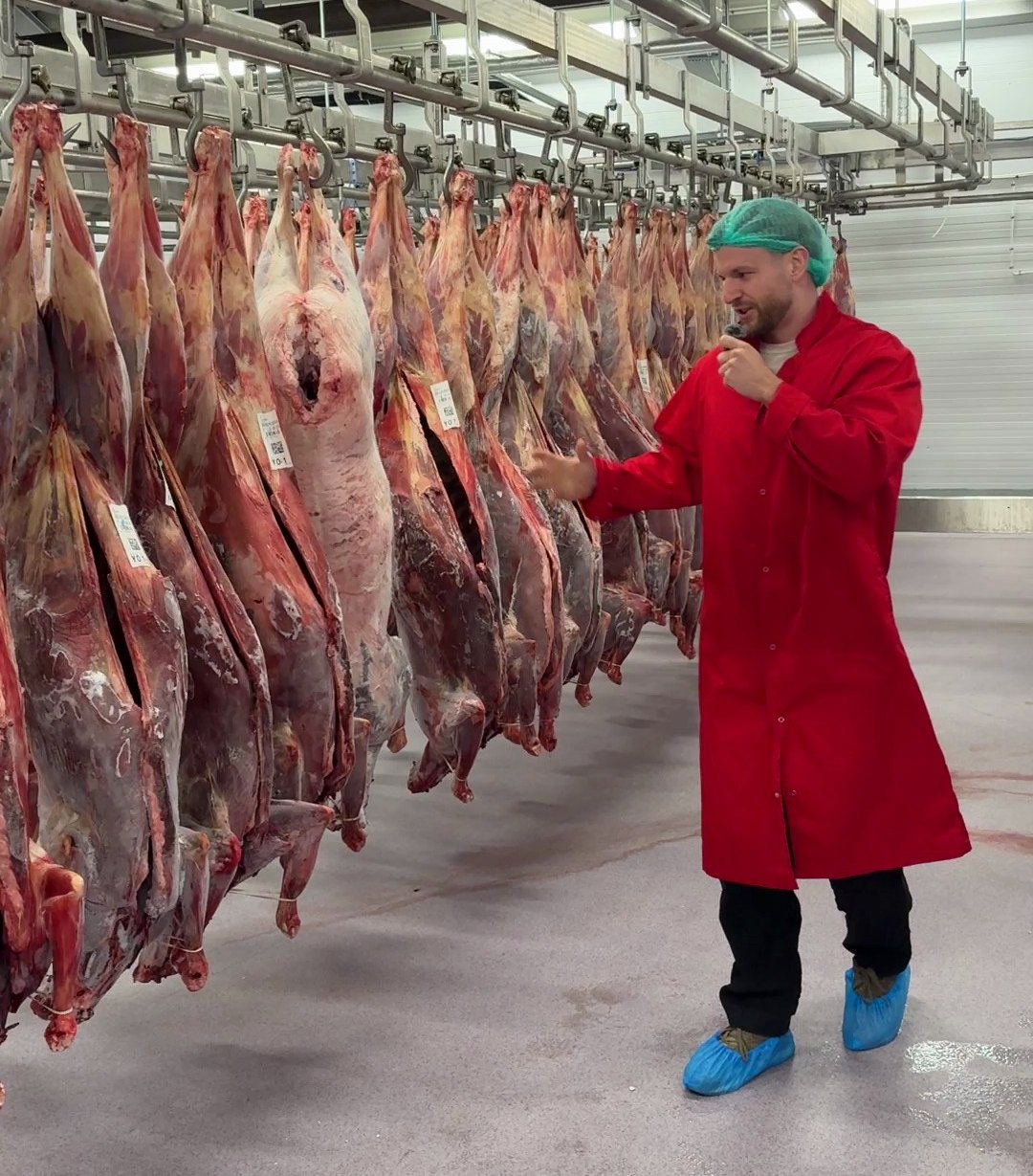
Each carcass and its organs are inspected by the official inspection staff. Organs passed as fit for human consumption are separated on the slaughter line, trimmed, sorted by type (liver, heart, kidney) and placed in food-grade containers.
Chilling and freezing
The organs are chilled immediately and then frozen. They stay frozen during storage and transport to the freeze-drying facility in Norway. Each container is labeled with organ type, slaughter date and lot number.
Freeze-drying
The frozen organ is placed in a vacuum chamber. Under low pressure the ice in the tissue turns directly into vapor and is drawn off, a process called sublimation. The material is dried from the frozen state, so it is never cooked. Fresh organ is roughly 70 percent water, so about 3 pounds of fresh organ gives about 1 pound of dried material.
Milling and packing
The dried organ is milled to a fine powder and sieved. Nothing is blended in. The powder is packed in sealed food-grade bags inside cartons, and each unit carries a lot code that links it back to the organ type and slaughter lot.
Testing and release
A sample from each lot is sent to an independent accredited laboratory for microbiological and heavy-metal analysis. A lot is released for export only when the certificate of analysis meets our specification.
Export and import
The released lot ships from Norway with its veterinary and commercial documents. Reinsdyr Inc files the U.S. entry as importer of record. The requirements are described on the company page.
Manufacturing
A contract manufacturer in the United States fills the powder into capsules, bottles and labels the finished dietary supplement under FDA current Good Manufacturing Practice rules for dietary supplements (21 CFR Part 111).
The method
What freeze-drying is
Freeze-drying, also called lyophilization, is a standard method of preserving food and pharmaceutical materials. It is used for instant coffee, fruit, military and space rations, and vaccines.
It works in three stages. First the material is frozen solid. Then the chamber pressure is lowered so that ice turns to vapor without passing through a liquid stage. Finally a gentle secondary drying removes the remaining bound moisture. The result is a dry, shelf-stable material with a very low water content that does not support the growth of bacteria.
Because no liquid water moves through the tissue and no high temperature is applied, freeze-drying changes the composition of a food less than cooking, air-drying or spray-drying. Nothing is added and nothing other than water is removed.
Product description
| Product | Freeze-dried reindeer organ powder (liver, heart or kidney, each as a separate single-organ lot) |
| Species | Rangifer tarandus tarandus, semi-domesticated |
| Country of origin of the animals | Norway |
| Place of slaughter | Røros, Norway |
| Processing | Frozen, freeze-dried and milled in Norway |
| Ingredients | 100 percent reindeer organ. No other ingredients. |
| Form | Dry powder in sealed food-grade bags |
| Intended use | Ingredient for dietary supplements |
On site
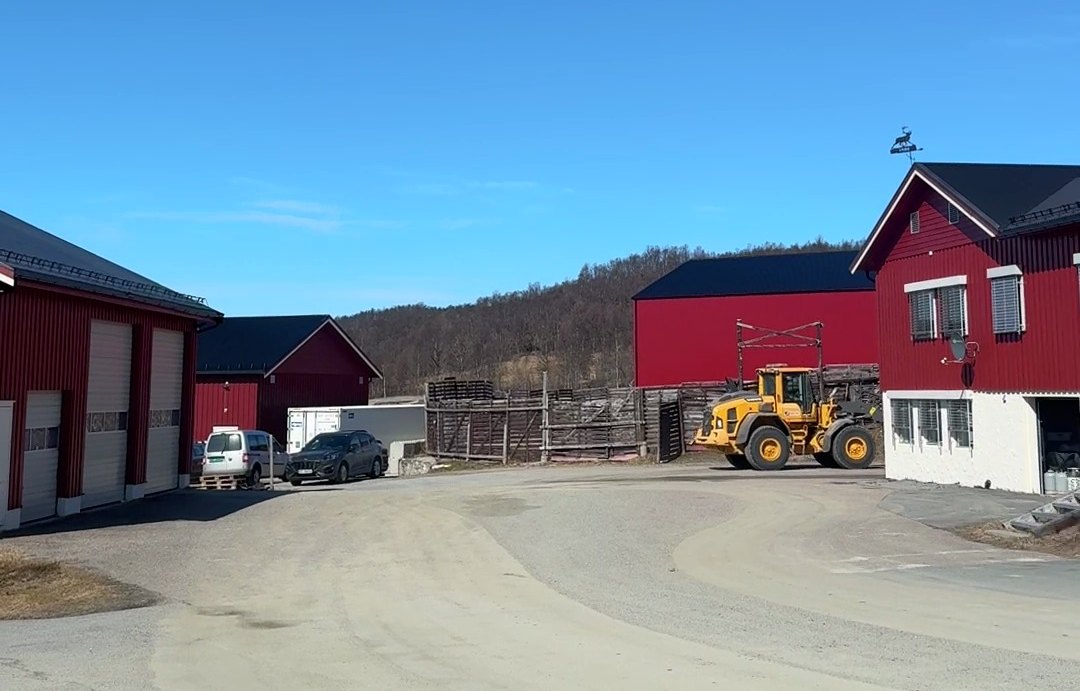
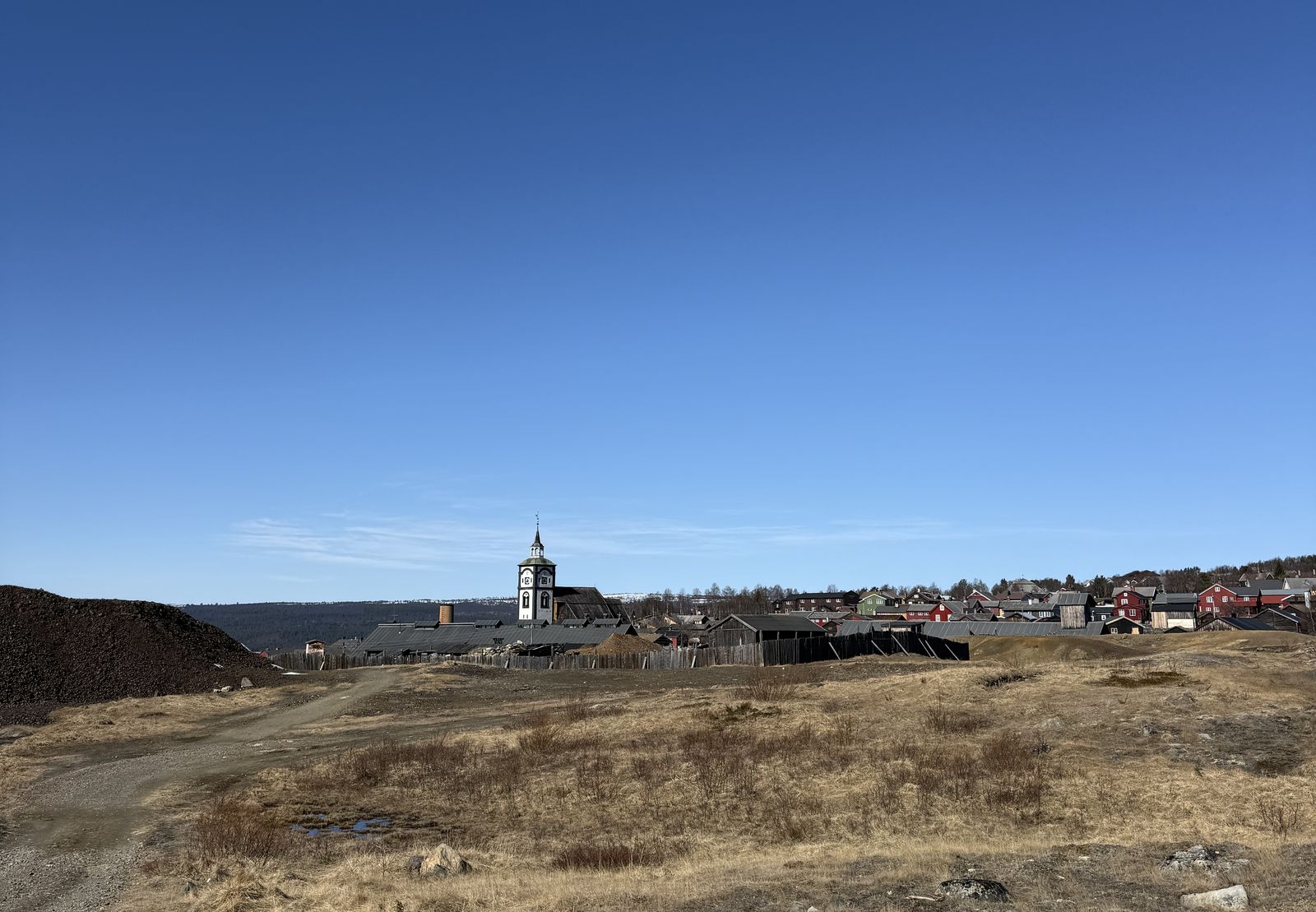
The slaughterhouse in Røros
Photographs from our visit to the slaughterhouse in April 2026.